Skip to content
Table of Contents
If your skin has started to feel “different” lately, not just a wrinkle here or there, but a change in texture, firmness, or how light reflects off your face, it can be frustrating. Many people describe it as looking tired even when they feel fine, or noticing that certain areas (like the under-eyes or folds around the mouth) look more pronounced than they used to.
PDGF is gaining attention because it relates to something your body already does well: repair and regeneration. At Unfiltered Medical Spa, we use PDGF as a regenerative treatment to support healthier-looking skin and tissue over time. The key is understanding what PDGF is, how we deliver it in practice, and what “improvement” realistically means.
What PDGF Is And Why It Gets Attention
PDGF stands for platelet-derived growth factor. It is a signaling protein involved in the body’s natural healing response. When tissue needs repair, growth factors help coordinate what happens next, including recruiting repair cells and supporting fibroblast activity, which plays a role in collagen and tissue remodeling.
In aesthetics, that matters because many visible signs of aging are connected to slower turnover, thinner dermal structure, and less efficient repair. PDGF is not a “quick fix,” but it can support the kind of regenerative environment that helps skin look smoother, thicker, and more resilient with time.
This is also why you may see phrases like Advanced skin rejuvenation used around PDGF. The goal is not only surface glow. It is improved skin quality from within the layers that influence texture and firmness.
How PDGF Is Delivered At Unfiltered Medical Spa
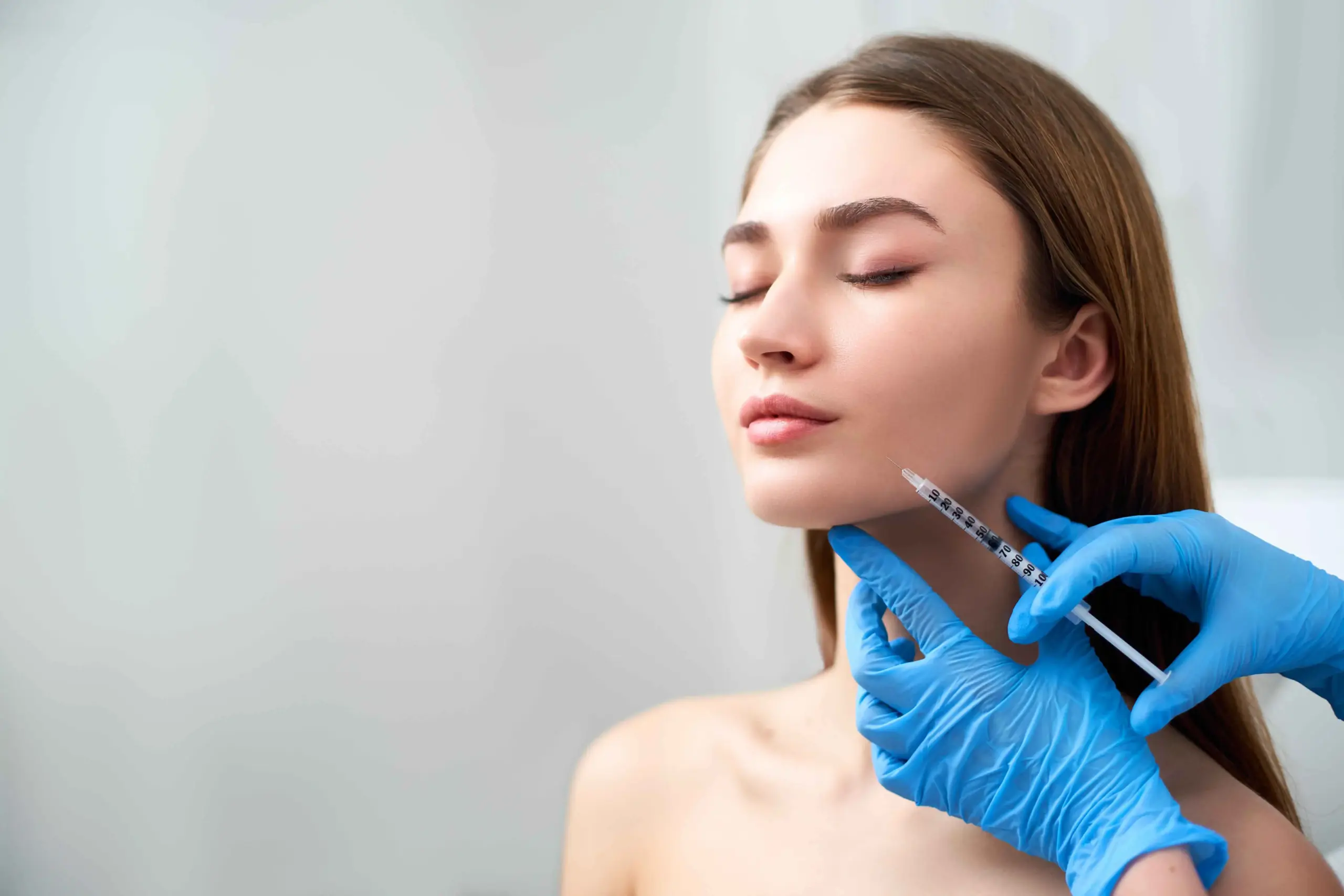
One important clarification is how PDGF is actually used in clinical practice. PDGF is not limited to topical application or post-procedure support. At Unfiltered Medical Spa, PDGF may be delivered through microneedling and through injection, depending on the treatment area and your goals.
Here is how PDGF is typically used in our office:
- Microneedling delivery to the face to support skin quality and collagen remodeling
- Microneedling delivery to the scalp as part of hair restoration support
- Off-label injectable PDGF for regenerative skin and tissue-quality improvement in targeted areas
When PDGF is used as an injectable, it is considered off-label. That transparency matters. Off-label use is common in medicine, but it should always be discussed clearly so you understand why we are recommending it, what it is intended to do, and what it is not meant to do.
Where We Use Injectable PDGF And What It Is Meant To Improve
Injectable PDGF is used deliberately in areas where people often ask about “volume,” but the goal is not filler-style plumping. Instead, the aim is regenerative improvement in tissue quality and dermal structure.
In practice, PDGF may be injected intradermally or subdermally in areas such as:
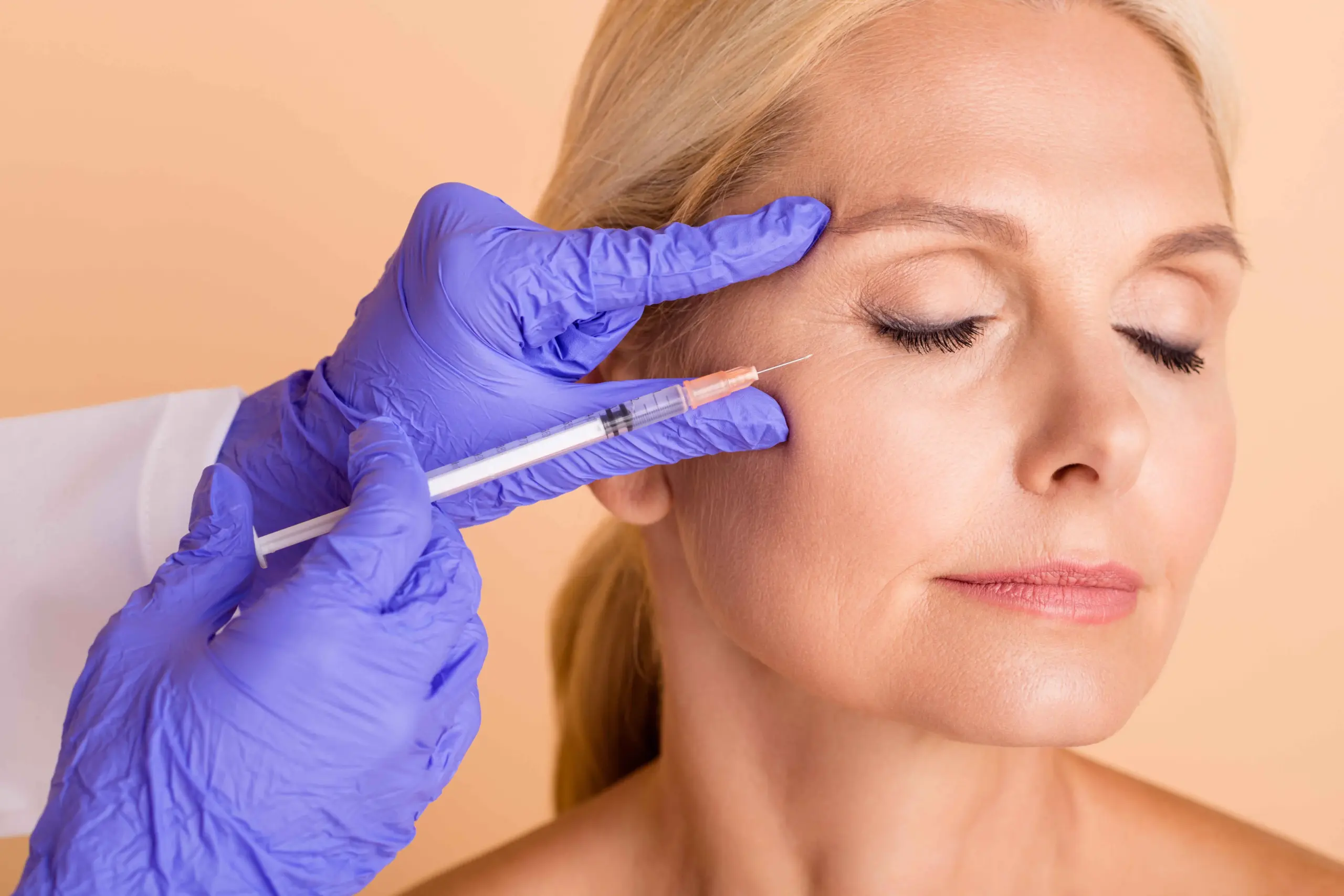
- Under-eyes: We may treat the under-eye region when concerns include hollowness and thin-looking skin. The goal is improved skin quality and tissue support, not an instant “filled” look.
- Nasolabial folds and facial lines: PDGF can be injected into folds and other facial regions to support tissue regeneration, dermal thickening, and wrinkle reduction. This is where the phrase PDGF therapy for wrinkles often comes from. It is less about immediate line-erasing and more about gradual change in how the skin behaves and rebuilds.
- Scalp: PDGF injections can also be used in hair restoration protocols. While results vary, the objective is to support healthier scalp tissue and improve the environment for hair growth. PDGF can also be delivered via scalp microneedling, depending on the plan.
PDGF And Injectables: A Clear, Honest Distinction
It is easy to get confused here, especially online. PDGF does not replace neuromodulators or dermal fillers, but it also should not be separated from the injectable category in a way that suggests it is only topical. In our practice, PDGF is part of Injectables because we intentionally inject it as a regenerative treatment.
At the same time, PDGF behaves differently from filler. When PDGF is used in areas traditionally treated with fillers, the goal is not immediate volumization. Any improvement in hollowness or folds is expected to come from tissue regeneration and collagen remodeling over time.
This is where wording matters. If someone is expecting the instant “lift” of hyaluronic acid filler, PDGF will feel subtle early on. If someone wants a plan aimed at skin quality, dermal support, and gradual structural improvement, PDGF can be a strong fit.
You may also see PDGF discussed alongside other services that target different causes of aging. For example, Botox and Dysport Treatments in Lehi, UT, focus on relaxing expression-driven lines. PDGF focuses more on regenerative skin and tissue quality. They can be complementary, but they are not interchangeable.
What Results Typically Look Like Over Time
PDGF results are usually gradual, and that is not a drawback. It is part of how regeneration works. Many patients describe changes like:
- Skin that looks smoother and more even in certain lighting
- Less “crepey” texture in delicate areas
- Softer-looking lines as skin quality improves
- A more supported look in areas that felt thin or hollow
Because PDGF supports repair pathways, you will also hear it described in the context of Skin healing with PDGF. That can be relevant when PDGF is paired with microneedling, since microneedling intentionally creates controlled micro-injury to prompt renewal.
When people ask, “Is PDGF actually building collagen?” the honest answer is that PDGF supports the signaling environment involved in remodeling. That is why you will see the term Collagen stimulation PDGF, but it is best understood as a process, not a switch. Your skin responds over weeks and months, and your plan is tailored to how you heal and what you are trying to improve.
Candidate Fit And Safety Notes
PDGF is not “one size fits all,” and a consultation is where we decide if it matches your goals and medical history. During that conversation, we also address the off-label aspect of injectable PDGF directly, including what that means and why it may be recommended.
You should always share:
- Current medications and supplements
- Any history of cancer or ongoing evaluation for malignancy
- Pregnancy or breastfeeding status
- Autoimmune conditions or healing concerns
- Prior aesthetic treatments in the area
This is not about overcomplicating things. It is about choosing the right option and setting expectations you can feel good about.
Common Questions About PDGF
Will PDGF make me look “puffy” like filler can?
PDGF is not designed for immediate volumization. Any change in hollowness or folds is expected to be gradual and tied to tissue remodeling, not instant plumping.
How many treatments do most people need?
It depends on the area and the goal. Some people do a series, while others build PDGF into a longer-term skin quality plan. Your provider will recommend a schedule based on response and priorities.
Is injectable PDGF safe if it is off-label?
Off-label does not mean unsafe. It means the product is being used in a way not specifically listed on the original label. The important part is informed consent, appropriate patient selection, and clear goals.
Ready for a Reset in Your Skin?
PDGF is exciting because it supports the body’s own regenerative signals, and at Unfiltered Medical Spa, it is used in a way that reflects real clinical practice, including microneedling delivery and off-label injectable treatments. If you are curious whether PDGF is the right match for concerns like under-eye hollowness, facial lines, or scalp support, the most helpful next step is a consultation.
Our team can review your goals, explain what delivery method makes sense for your skin, and map out a plan that feels honest, practical, and aligned with what you want to see in the mirror. Book your consultation today and unlock next-level rejuvenation!